Soot Damage Restoration in Austin, TX
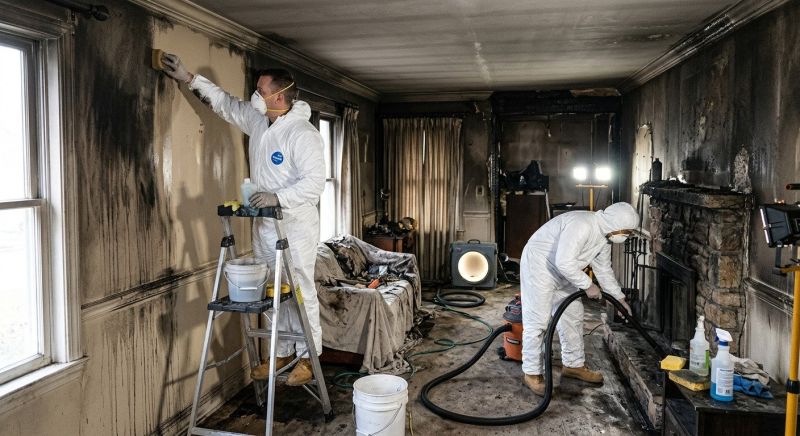
Soot damage restoration services focus on cleaning and restoring properties affected by soot residue from fires, smoke, or other sources. These projects typically involve removing soot from walls, ceilings, furniture, and HVAC systems, as well as addressing lingering odors. Homeowners often seek these services after experiencing a fire or smoke incident to ensure their living spaces are safe, clean, and free of residues that can cause health issues or further property damage.
Before requesting soot damage restoration, property owners usually want to understand the scope of cleaning required, the types of surfaces that can be effectively treated, and the potential need for additional repairs or repainting. It’s also important to consider the extent of soot infiltration, as some projects may involve deep cleaning or specialized treatments to fully eliminate odors and residues. Clear communication about the process and what to expect can help ensure the restoration meets the specific needs of the property.
Many property owners in Austin, TX look into Soot Damage Restoration for repairs, replacements, upgrades, and appearance-related improvements.
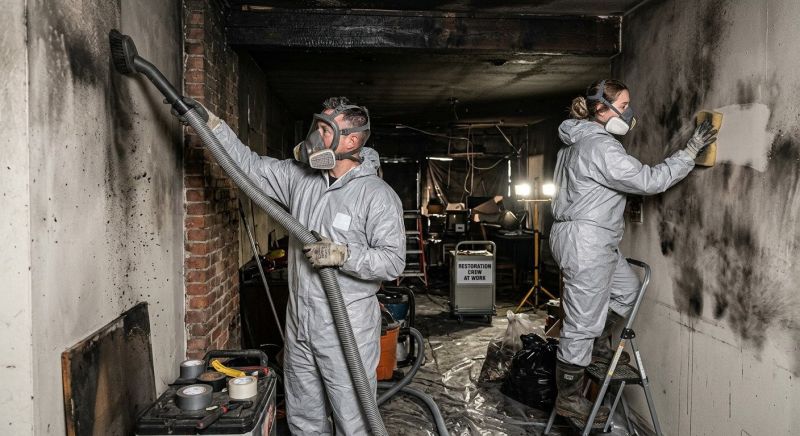
Soot Damage Restoration Services
Examples of soot damage restoration work property owners may explore in austin, tx.
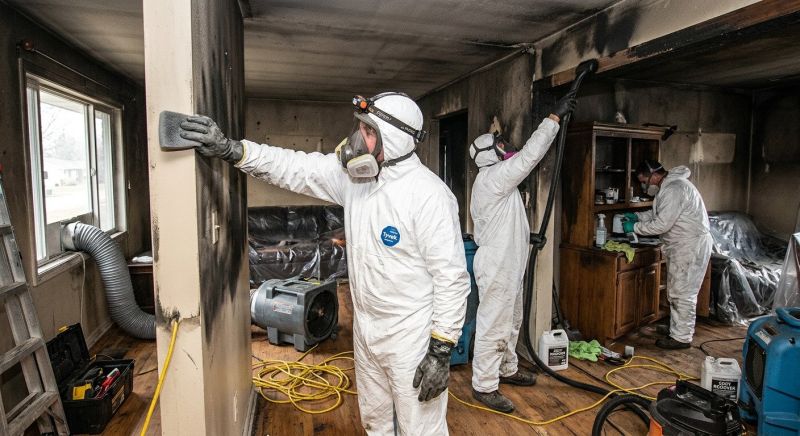
Soot Damage Restoration Updates
Common ways people refresh, improve, or restore soot damage restoration features in austin, tx.
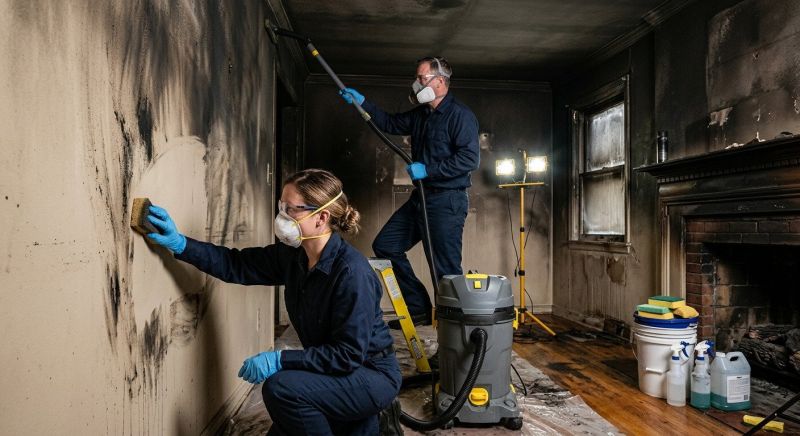
Soot Damage Restoration Options
Different styles, layouts, and finishes people consider for soot damage restoration in austin, tx.
Soot Damage Restoration in Austin, TX

Soot damage restoration services focus on cleaning and restoring properties affected by soot residue from fires, smoke, or other sources. These projects typically involve removing soot from walls, ceilings, furniture, and HVAC systems, as well as addressing lingering odors. Homeowners often seek these services after experiencing a fire or smoke incident to ensure their living spaces are safe, clean, and free of residues that can cause health issues or further property damage.
Before requesting soot damage restoration, property owners usually want to understand the scope of cleaning required, the types of surfaces that can be effectively treated, and the potential need for additional repairs or repainting. It’s also important to consider the extent of soot infiltration, as some projects may involve deep cleaning or specialized treatments to fully eliminate odors and residues. Clear communication about the process and what to expect can help ensure the restoration meets the specific needs of the property.
Many property owners in Austin, TX look into Soot Damage Restoration for repairs, replacements, upgrades, and appearance-related improvements.
Common Soot Damage Restoration Jobs
Soot Damage Restoration - Restores indoor air quality and removes stubborn soot residues after fire incidents.
Fire Damage Cleanup - Eliminates soot and smoke stains from walls, ceilings, and surfaces.
Odor Removal - Uses specialized techniques to eliminate lingering smoke odors.
Surface Cleaning - Cleans and restores soot-stained furniture, fixtures, and building materials.
Structural Restoration - Repairs and restores surfaces affected by soot and smoke damage.
Content Cleaning - Safely cleans soot-covered personal belongings and household items.
Soot Damage Restoration Questions
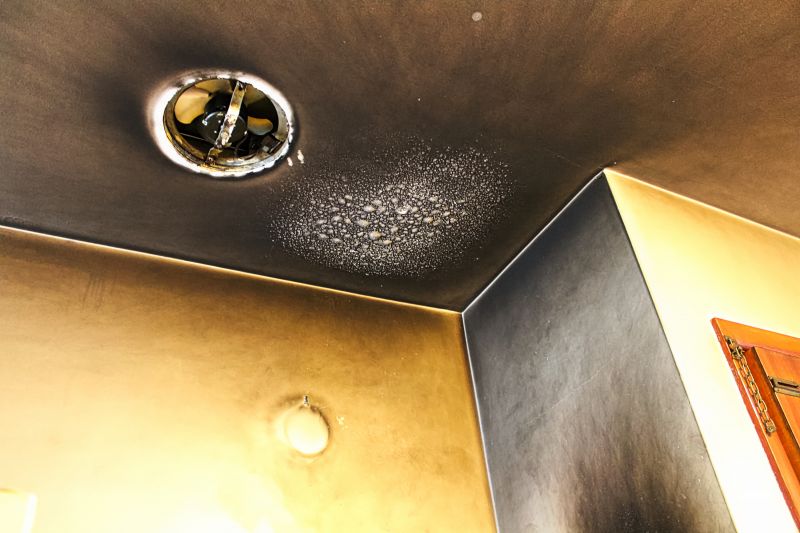
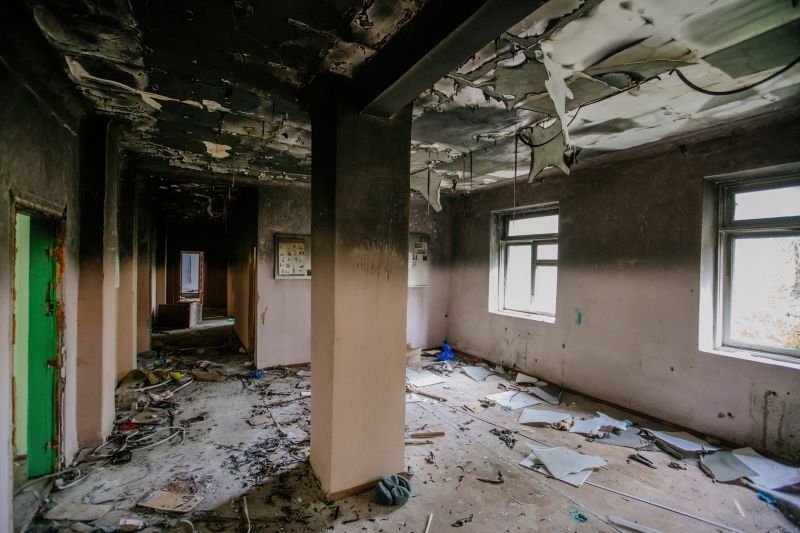
What causes soot damage in homes? Soot damage typically results from fires, smoke, or incomplete combustion that leaves residues on surfaces.
Can soot damage affect indoor air quality? Yes, soot particles can become airborne and impact indoor air quality if not properly cleaned.
What surfaces are most affected by soot? Soot can stain and damage walls, ceilings, furniture, and HVAC systems.
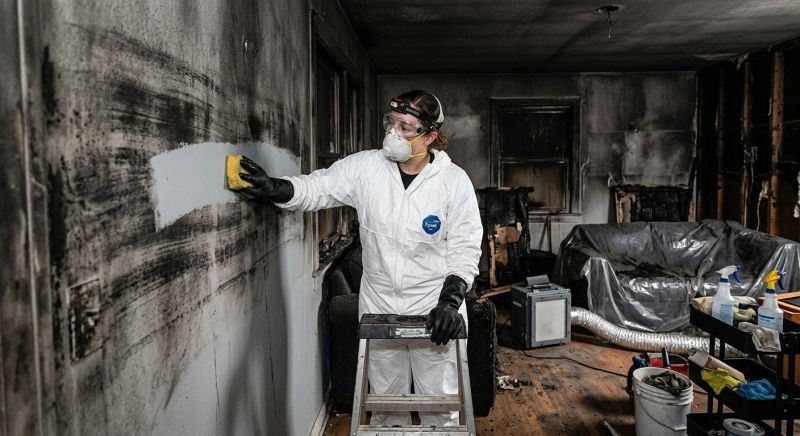
Is soot damage easy to clean? Soot removal often requires specialized cleaning techniques to safely and effectively restore affected areas.
Request Soot Damage Restoration in Austin, TX
Use the quote form on this page to share the basics of your project and request more information for the type of work you need.